Build log · Strake S12
From bare sheetto moving water.
One hull, documented at every stage. Cut, welded, wired and tested by hand.
Every stage,photographed.
Most boats are shown finished and painted. This one is shown the way it was made — the structure before the deck went over it, the harness before it was loomed, the jet unit on the bench. If a claim on this site is worth making, there is usually a photograph of it here.
A lot of it was drawn in CAD first, so the parts that had to fit together were worked out on screen rather than on the table.
Length · 14 ft OAL
Beam
Deadrise
Propulsion
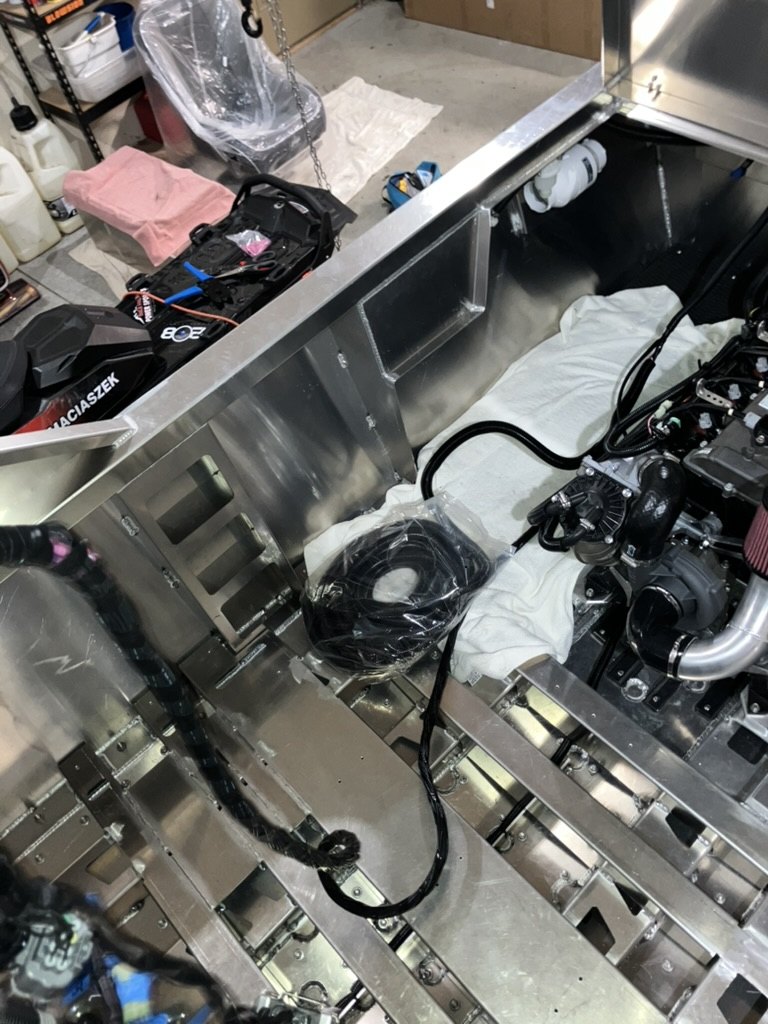
01Stringers, frames and the jet tunnel.
Structure
The bottom goes down first, then the longitudinal stringers and transverse frames that turn a sheet of aluminum into a structure. The jet tunnel and the intake are set here, while every weld is still visible and every measurement can still be checked.
02Sequenced to hold the geometry.
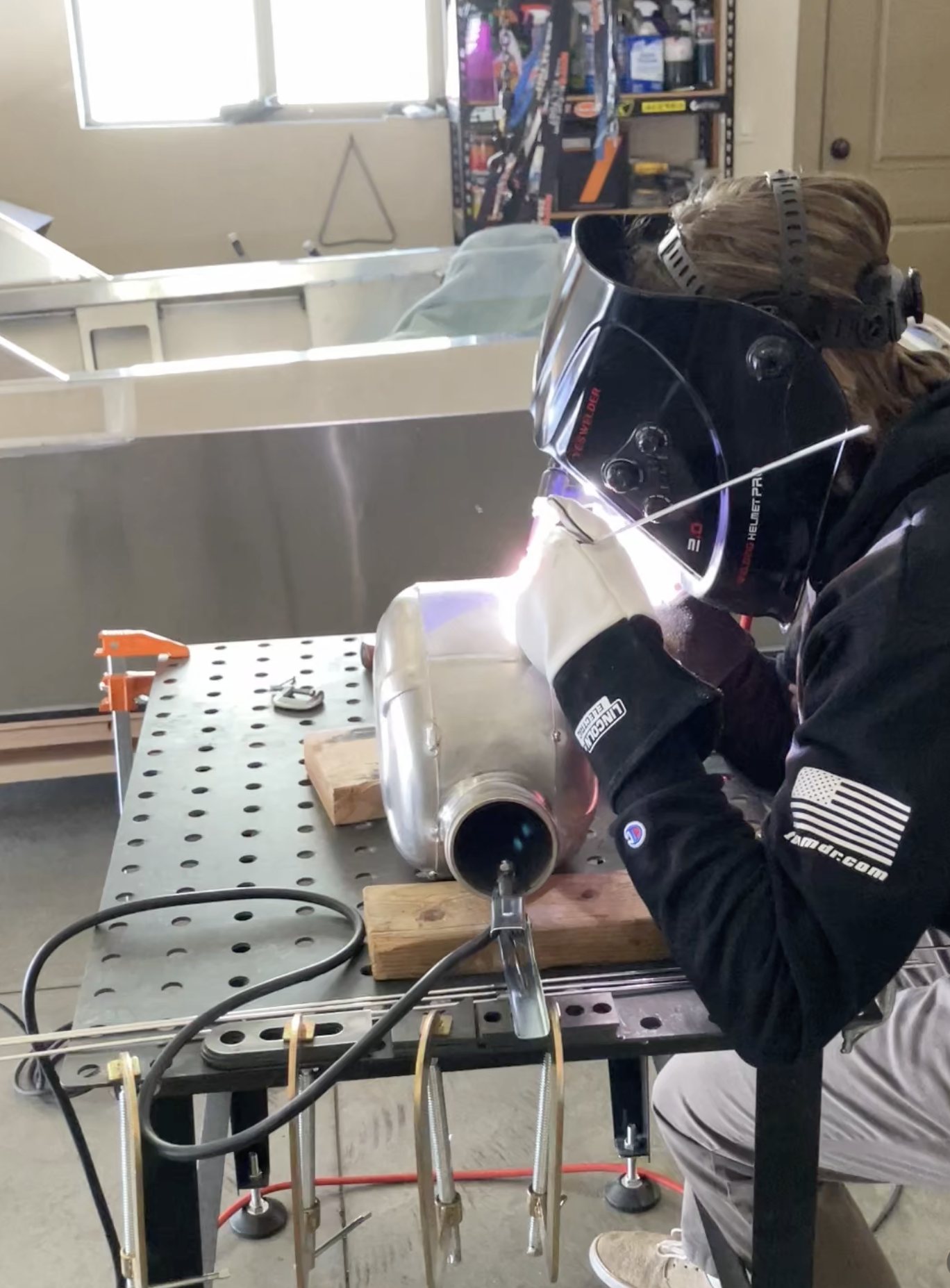
Welding
Every weld on this boat is self-taught — cutting, grinding and TIG, learned on scrap and then on the real thing, with help from metal-workers around town who were willing to show me what they knew. Aluminum moves when you heat it, so the order matters as much as the welds do.
03Engine and jet unit set into the hull.
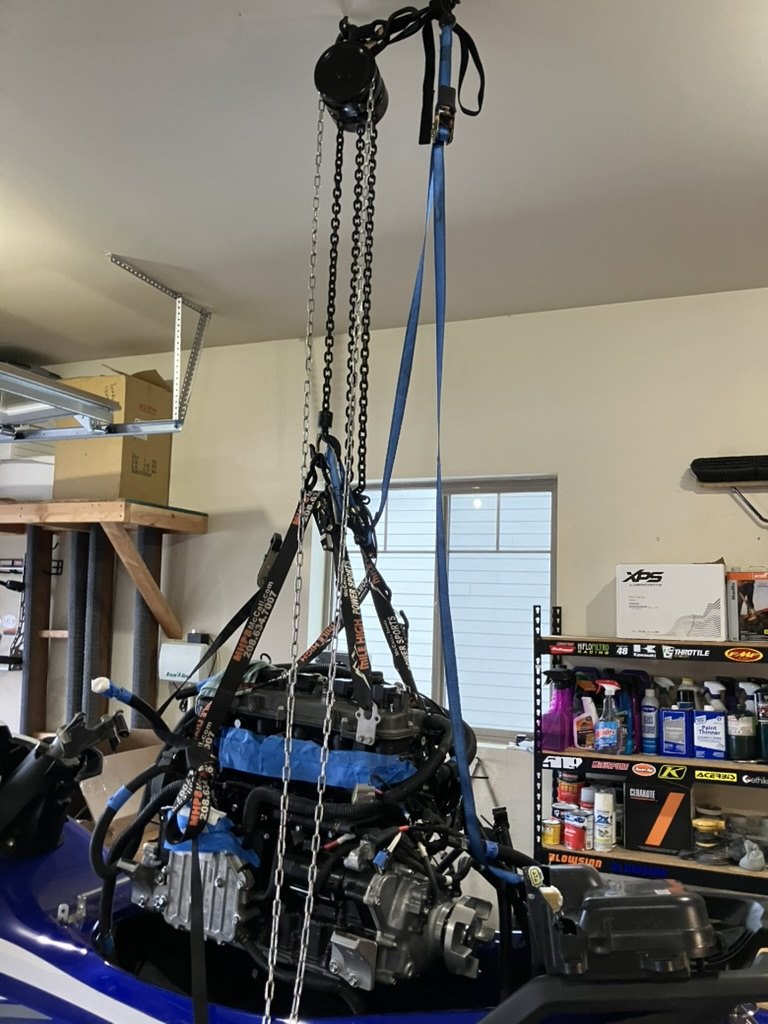
Powertrain
The boat is powered by a Yamaha 1.8L SVHO marine engine. It goes in on a chain hoist and gets aligned to the jet unit rather than the other way around; the pump is built up and checked on the bench first, so alignment is the only variable left. A cold-air intake and a large-volume muffler went on at the same time.
04A harness built from scratch.
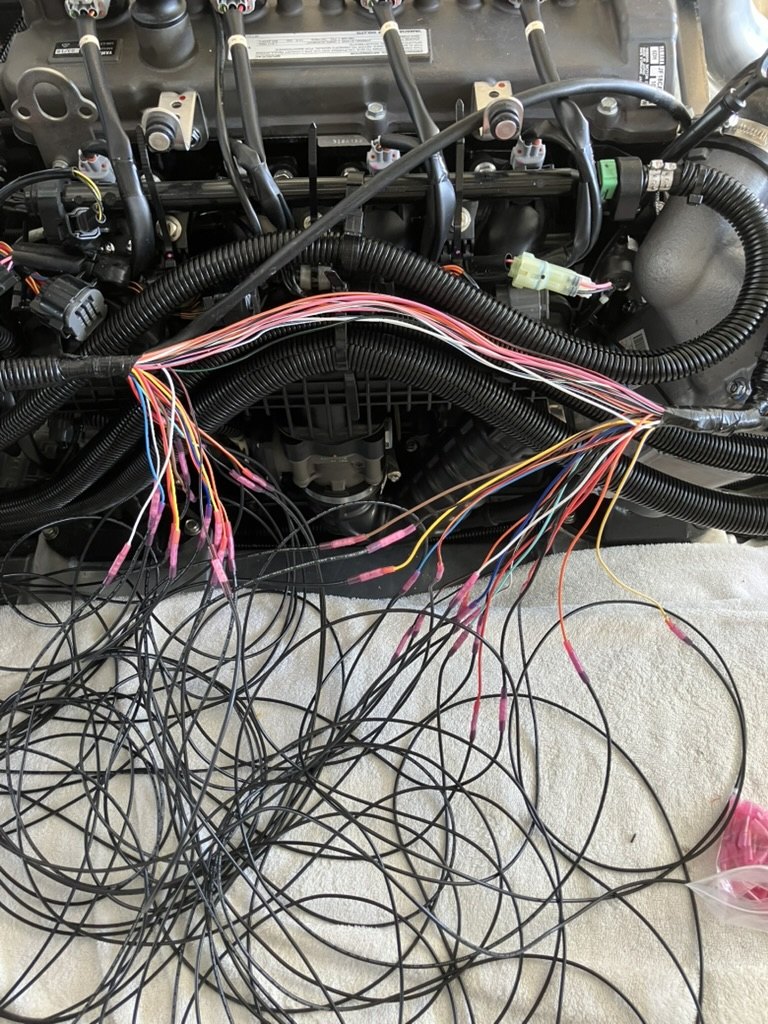
Wiring
Every circuit was laid out, cut, crimped and labelled by hand. Building the harness instead of adapting one means the loom is exactly as long as it needs to be and every wire in it has a known job.
05Deck, console, seating, systems.
Fit-out
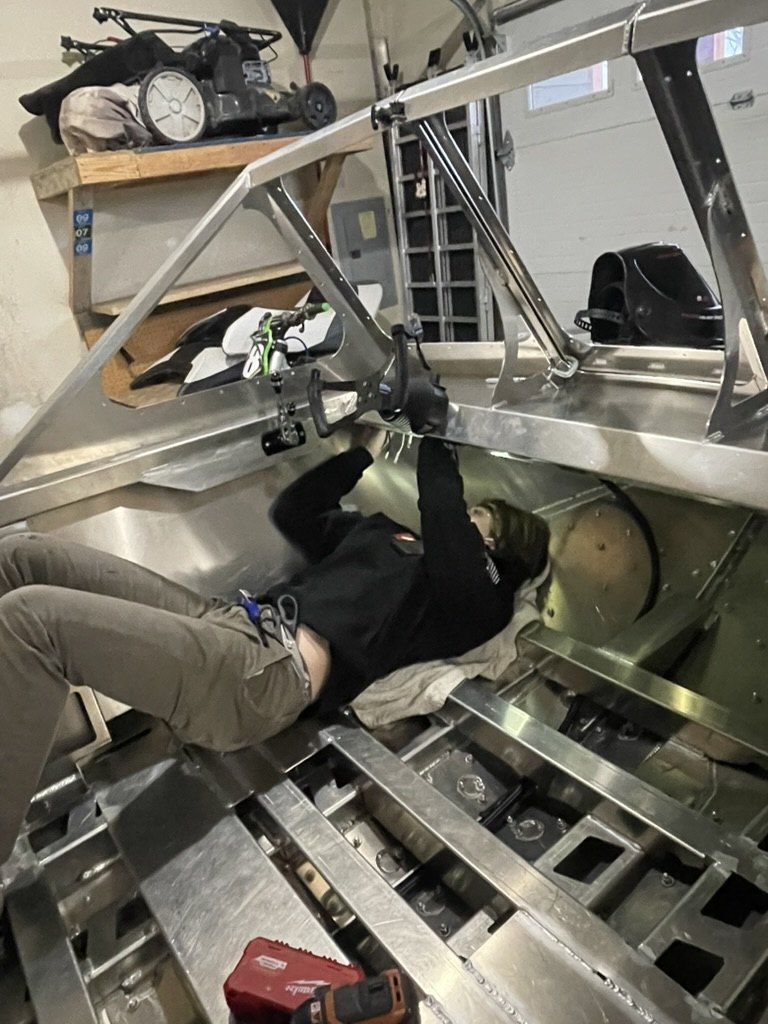
Fuel, battery, controls and the deck all go in while there is still room to get a body and two hands into the hull. The bottom of the hull is lined with half an inch of ultra-high-molecular-weight plastic so a rock or a log strike lands on a sacrificial surface, and a sound-deadening kit goes in to stop the aluminum rattling.
06The part that decides whether any of it worked.
Water
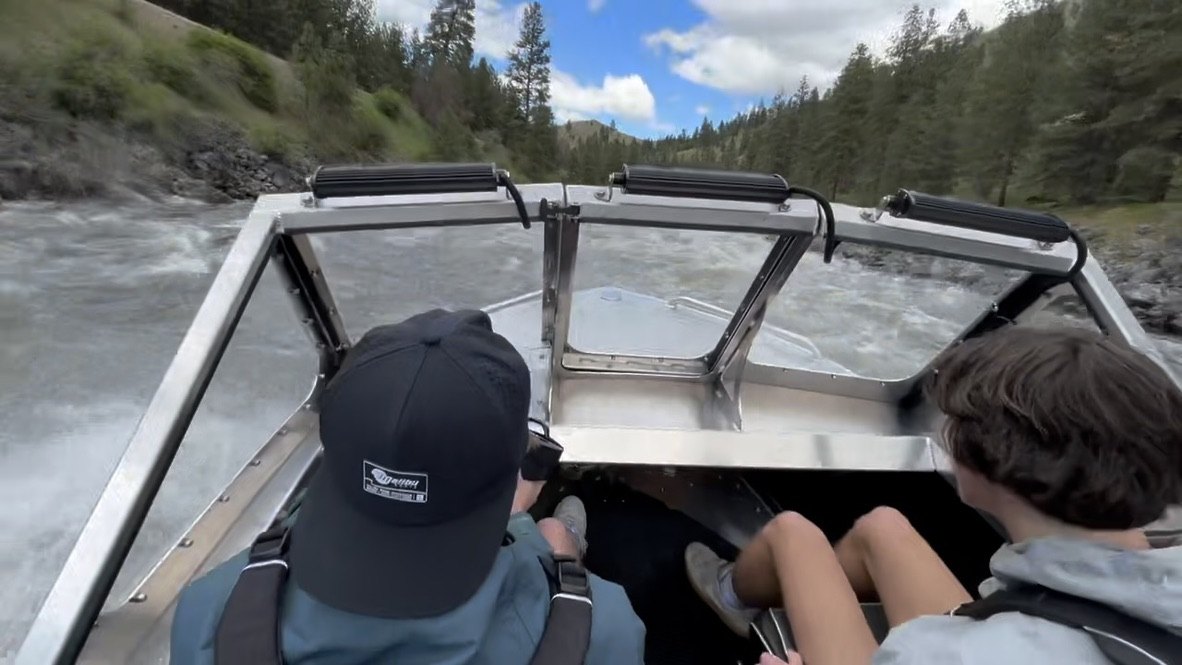
The boat runs the water it was designed for — shallow, moving and rocky. Everything gets built, then run hard the next morning. Nothing about the hull is confirmed until it has been on plane in it.
Five layers,one machine.
The order is fixed, and every layer is inspected before the next one closes over it.
Build log
Want onedocumented like this?
Every Strake is built to order and photographed as it goes together. Tell us where you run and what you need the boat to do.