Technology
Performancethroughsimplicity.
Fewer systems, each doing more. Simplicity is not a shortcut — it is what makes a boat fast, light and repairable.
Five systems.Nothing spare.
Propulsion
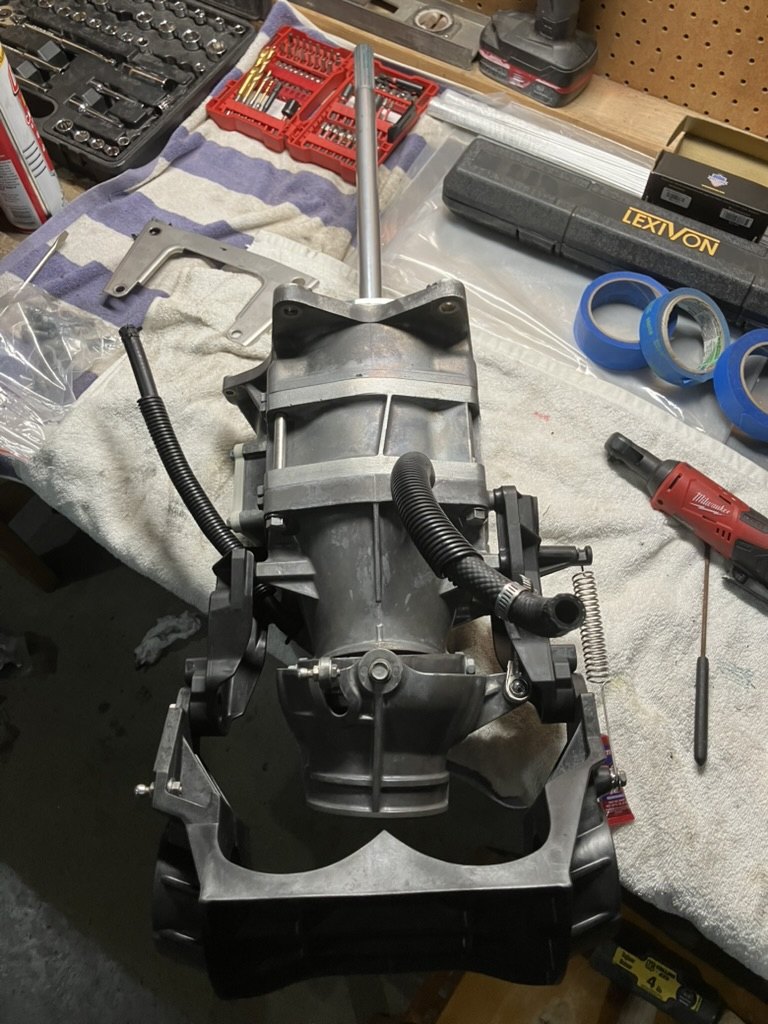
Jet drive, packaged inside the hull.
Hull
A proven running surface: constant deadrise, delta pad, reverse chine.
Controls
Everything you need, where your hands already are.
Materials
Marine-grade aluminum, end to end.
Manufacturing
Drawn, cut, welded and checked in one building.
01Propulsion
Water in.Thrust out.
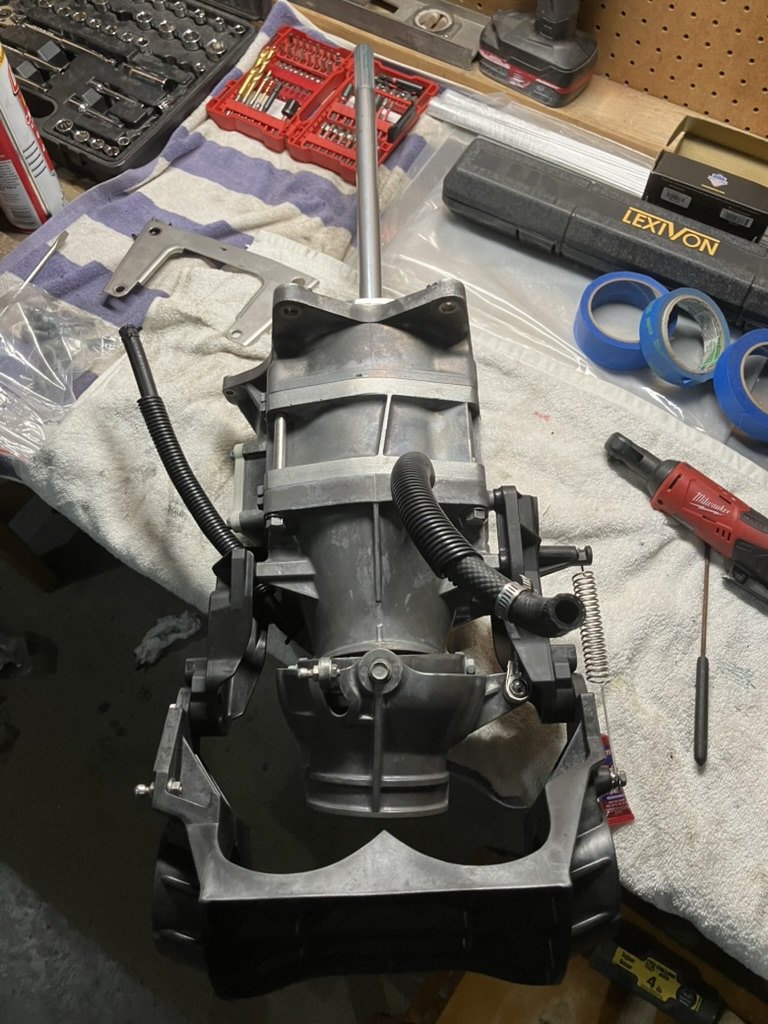
The pump draws water through a flush grate, accelerates it, straightens the flow and pushes it through a steering nozzle. Direction and thrust are the same control.
Intake
Flush with the hull bottom — no protrusion, no drag penalty.
Powerplant
A Yamaha 1.8L SVHO marine engine, with a cold-air intake for induction efficiency.
Noise
A large-volume muffler and a sound-deadening kit, because an aluminum hull amplifies everything.
Impeller
Pitched to the powerplant and the intended operating band.
Stator
Removes swirl so energy goes into thrust, not rotation.
Nozzle
Vectors thrust for steering at any speed.
Reverse gate
Instant reverse and precise low-speed control.
Section bysection.
Deadrise stays at 12° the whole way. What changes from stem to transom is the beam. Move along the hull and watch the section fill out.
12.0°
Deadrise
88%
Beam at station
50%
Station
Deadrise is constant at 12°. Section shape shown is illustrative; published offsets follow final measurement.
Read it ata glance.
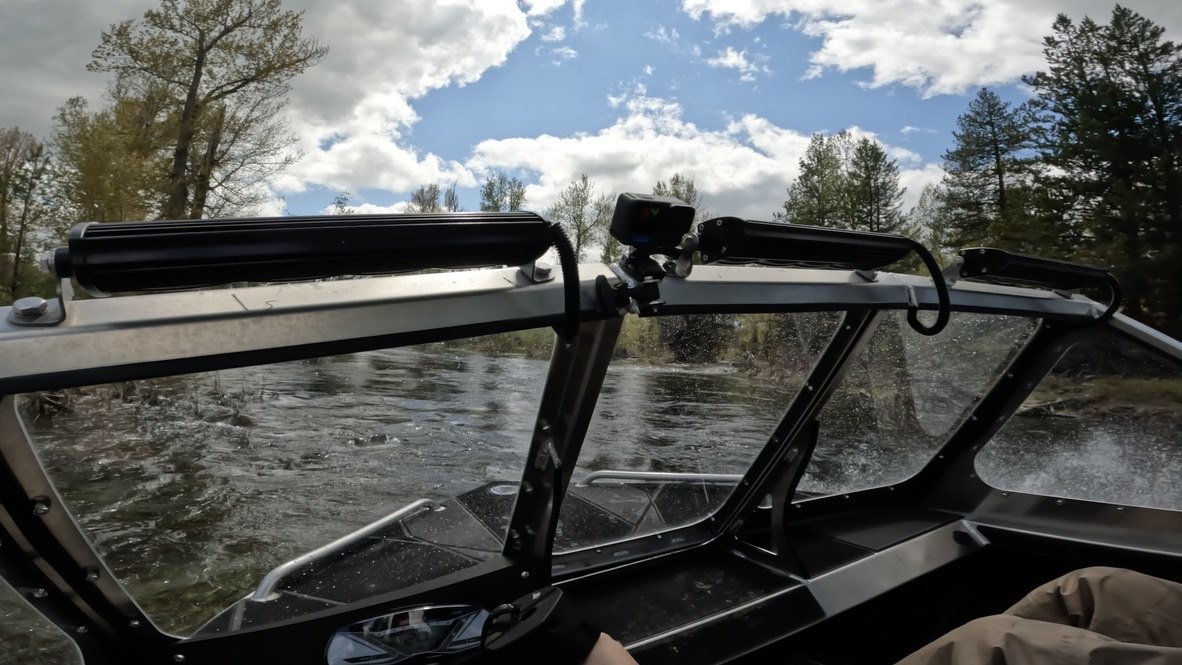
A helm laid out for someone doing three things at once in moving water.
Sight line
Instruments sit inside the same field of view as the water ahead.
Reach
Throttle, steering and trim reachable without changing stance.
Feedback
Direct linkages — the boat tells you what it is doing.
Expandable
Mount points for navigation and audio without cutting the console.
Aluminum,left as aluminum.
Marine-grade aluminum is stiff, light, weldable and repairable anywhere there is a welder. It does not rot, blister or delaminate — and when it is finally damaged, it can be cut out and replaced.
Stiffness
Plate thickness stepped to the load it carries.
Corrosion
Alloy and hardware selected together to control galvanic pairs.
Repairability
Damage is cut out and rewelded, not filled and faired.
Bottom liner
Half an inch of UHMW across the hull bottom, taking rock and log strikes before the aluminum does.
Finish
Left bare, or coated — the structure reads either way.
Design andbuild, together.
CAD, CNC cutting, welding, assembly and quality control under one roof — so a design change is a shop-floor conversation.
Structure
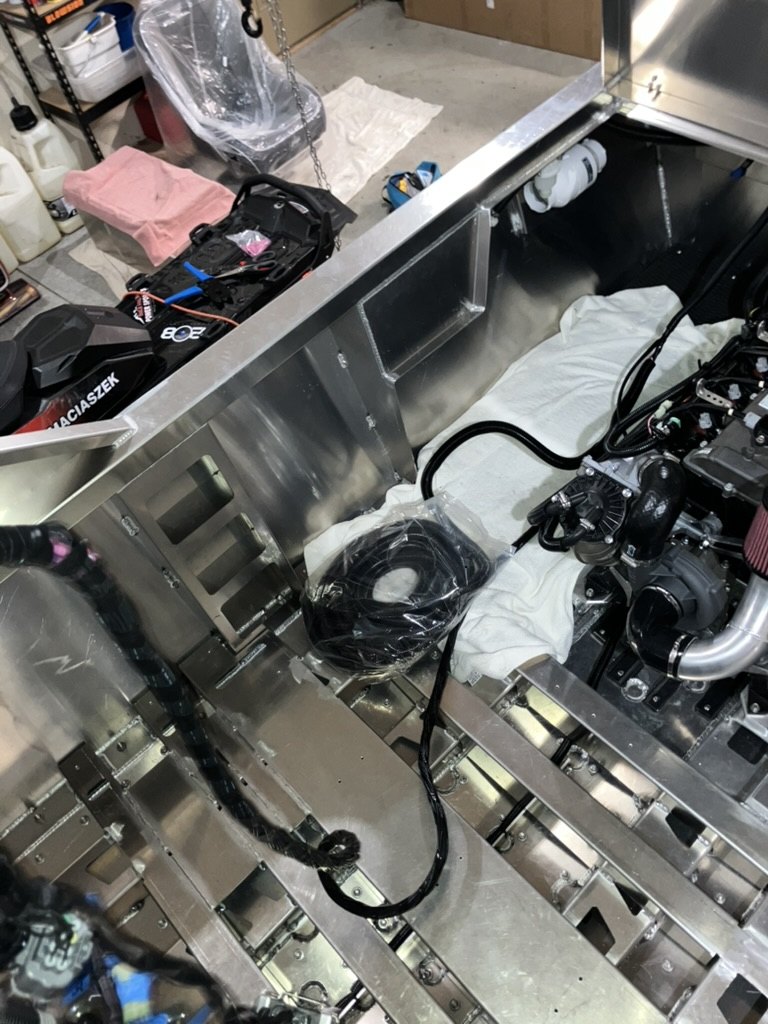
Stringers, frames and the jet tunnel set before anything closes over them.
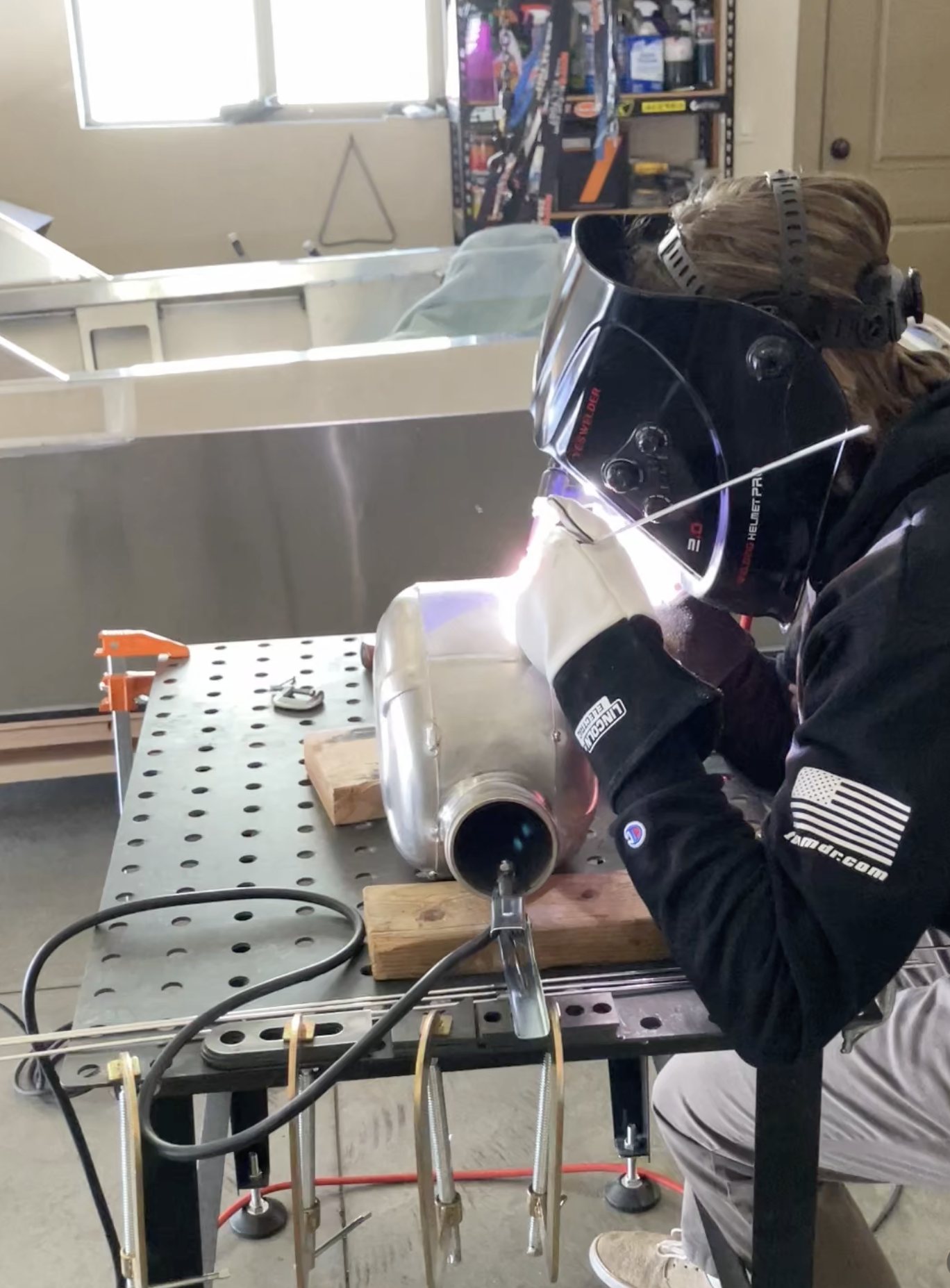
Welding
Sequenced to control distortion and lock in the geometry.
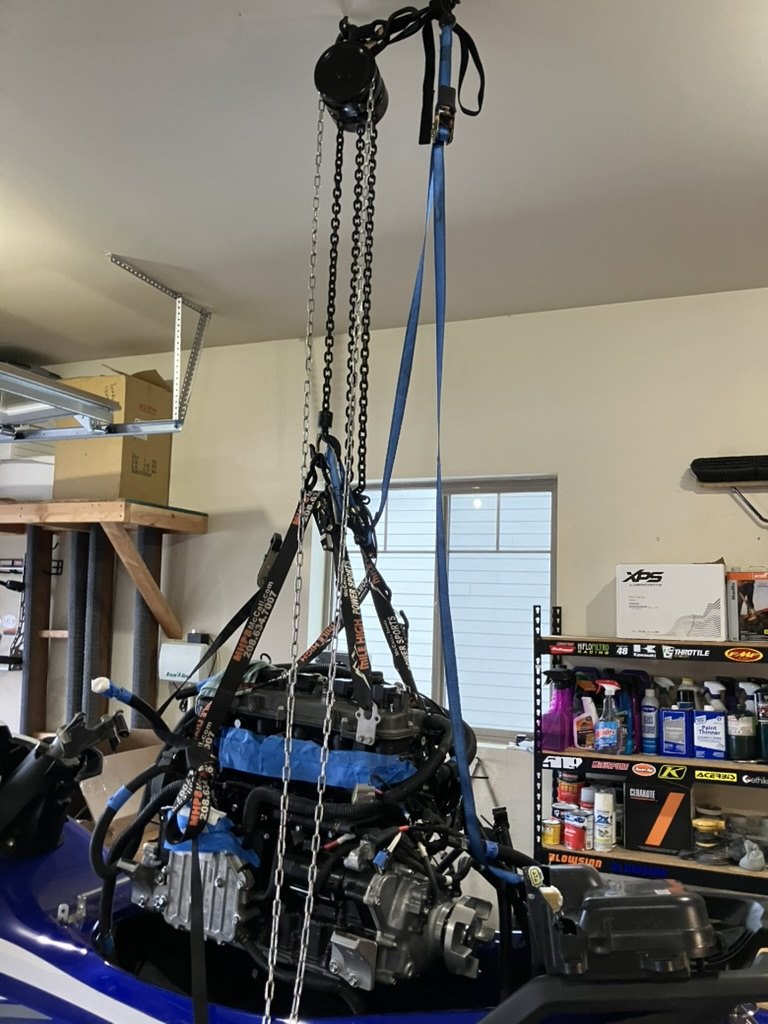
Powertrain
Engine and jet unit set, aligned and shimmed to the hull.
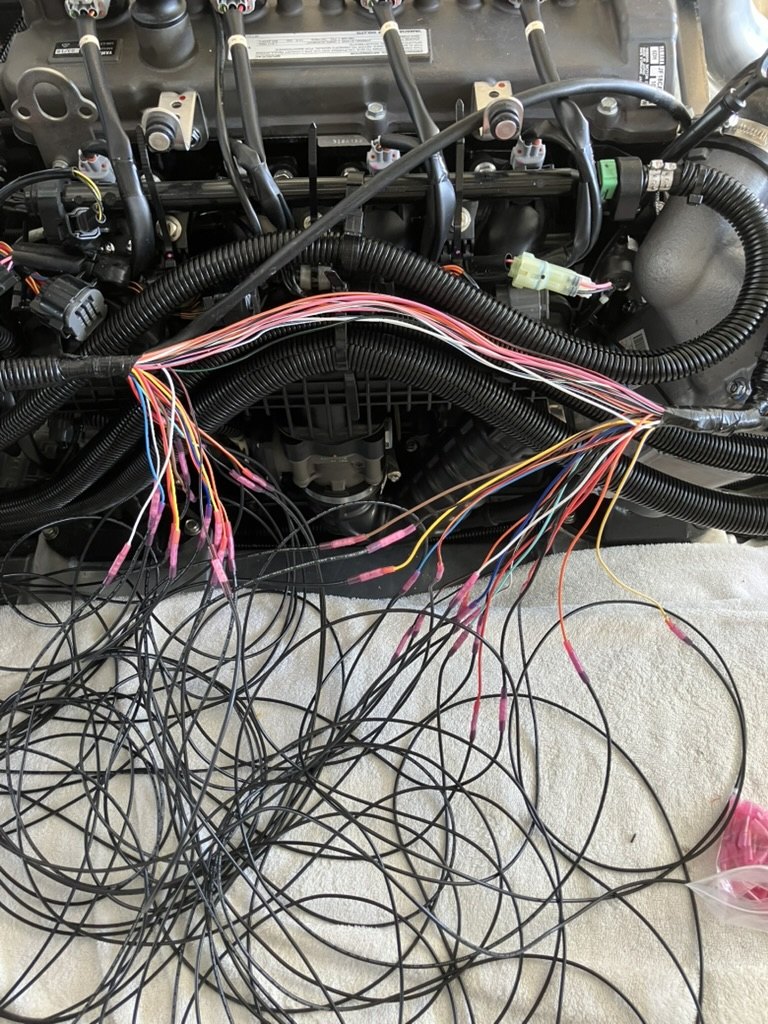
Wiring
Harness built from scratch, labelled circuit by circuit.
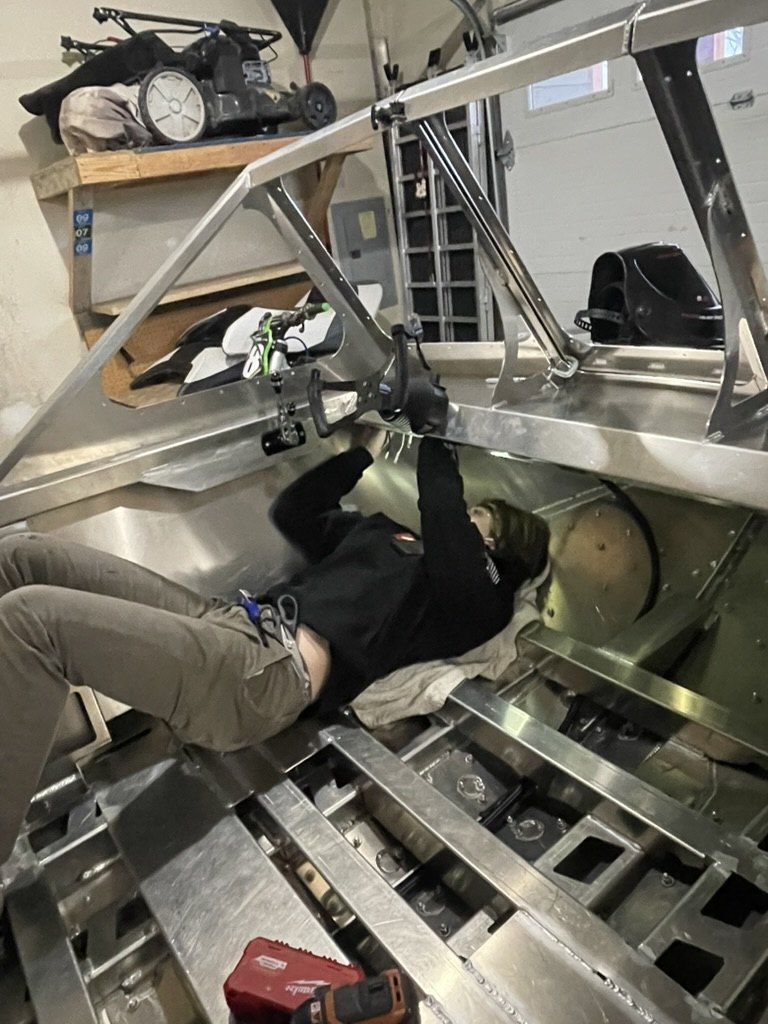
Fit-out
Systems installed while they are still reachable.
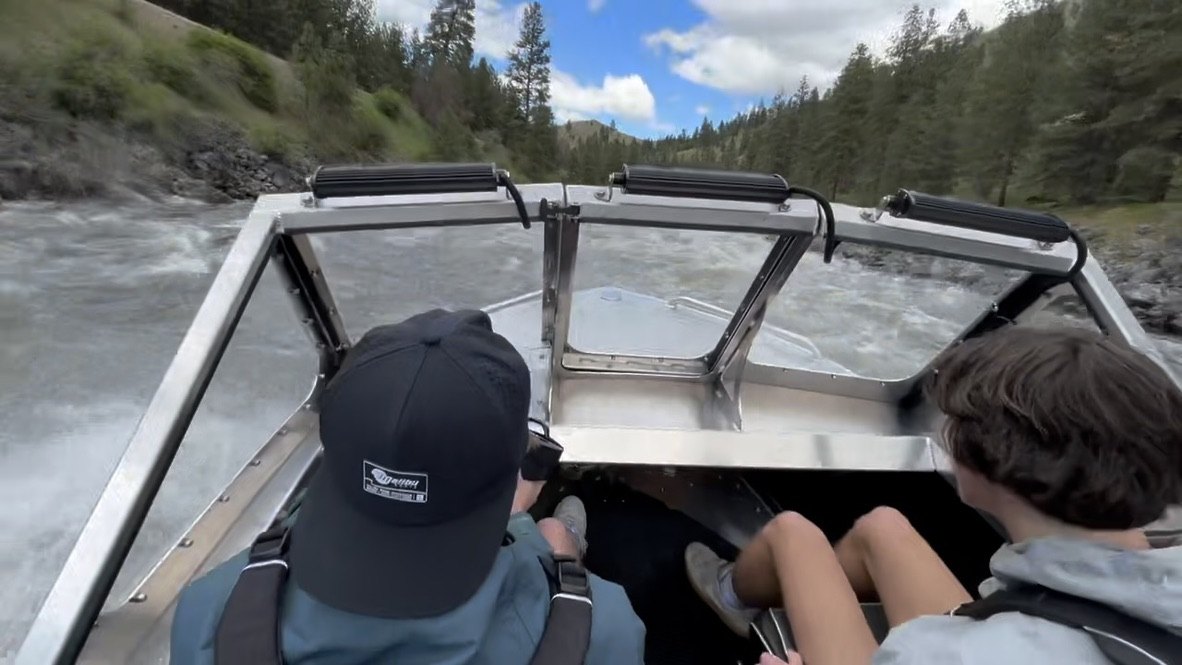
Water testing
Run hard in the water it was designed for.
0%
Aluminum construction
Hull, deck and structure
0
Hull built and running
Strake S12
0
Wood in the structure
Nothing to rot
Technology
Simple isthe hard part.
If you want to understand exactly how a Strake is put together, ask. We will show you the drawings.