About Strake
Built withpurpose.
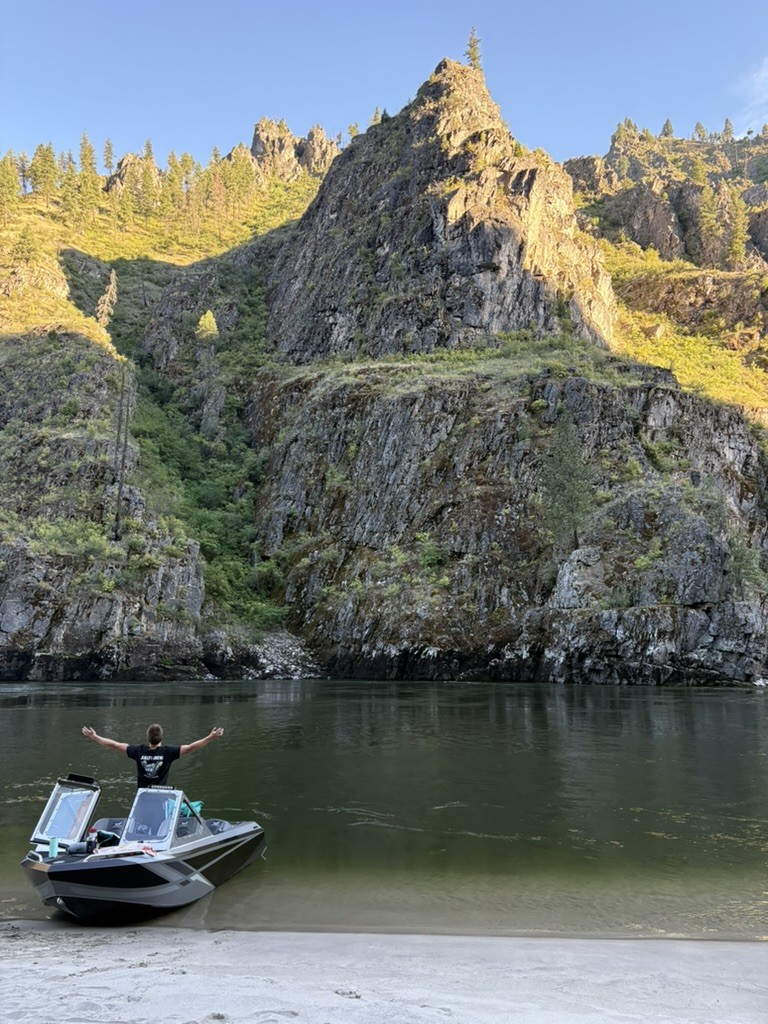
A one-person shop in McCall, Idaho, building aluminum jet boats for water most boats have to turn around in.
01The story
Strake began with founder Kai Maciaszek’s obsession with building things that could go farther, faster, and perform better than what already existed.
Growing up in McCall, Idaho, Kai spent much of his life around boats, mountains, snowmobiles and the outdoors. At 17 he built his first welded-aluminum jet boat, integrating a high-performance Yamaha SVHO powertrain, then spending hundreds of hours testing, modifying and pushing the boat through some of the most demanding water in the West.
What started as a personal engineering project quickly became something bigger. Kai saw an opportunity to bring a different approach to the marine industry — combining high-performance engineering with clean, minimalist design and uncompromising attention to detail. While studying mechanical and aerospace engineering at Caltech, he founded Strake to turn that philosophy into a company.
Strake was built on a simple idea: create products that are technically exceptional, visually clean, and designed with purpose. No unnecessary complexity. No decoration for the sake of decoration. Just thoughtful engineering, precision manufacturing, and machines built to be used.
02In his words
Boat building has been in my family for generations. My own interest in machines came out of something less romantic — needing to fix equipment to get home before dark. That led to taking motors apart, and eventually to building my own.
Before the boat there were jet skis. I rebuilt vintage stand-ups from the impeller duct to the engine — the first was a 1987 Kawasaki 650 — matching bore to piston for compression and aligning the pump to the driveshaft within half a degree. Later I modified a stand-up to run Class IV whitewater: a set-back pump and a wider nozzle, again aligned to within half a degree, for low-end response in aerated water without cavitation.
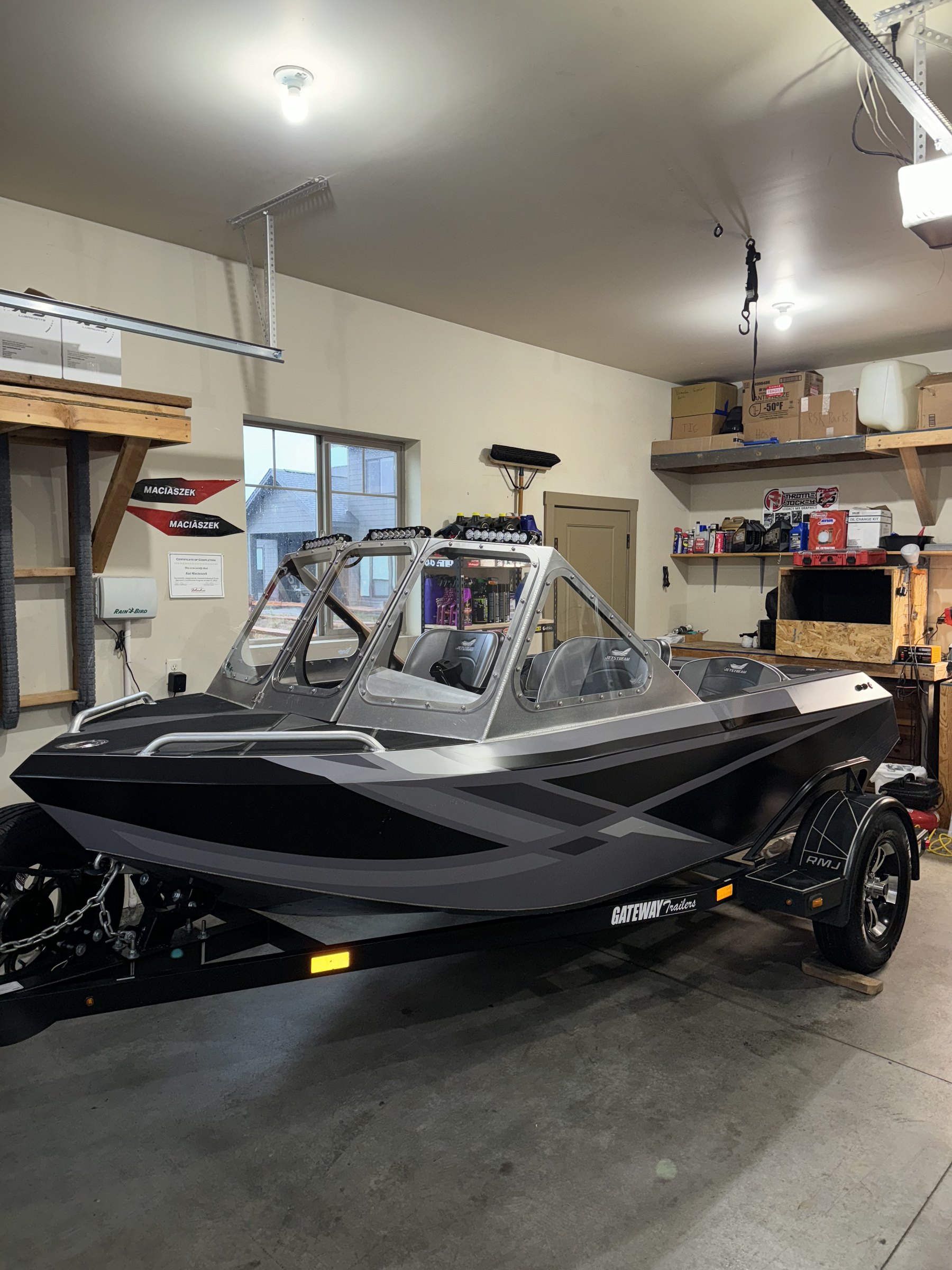
On the S12 I taught myself to cut, grind and TIG-weld aluminum, and learned the rest from metal-workers around town who were willing to show me. A lot of it was drawn in CAD before it was cut. The bottom of the hull is lined with half an inch of ultra-high-molecular-weight plastic, because a remote river will eventually introduce you to a rock or a log and something has to take the hit.
What I am actually chasing is a jet boat that is more efficient, cleaner and able to get through harsh water quickly — the kind of capability that matters when someone needs to be reached in a hurry. The S12 is the first one. It will not be the last.
Kai Maciaszek·McCall, Idaho
The shop
Drawn on a screen.Built in a garage.
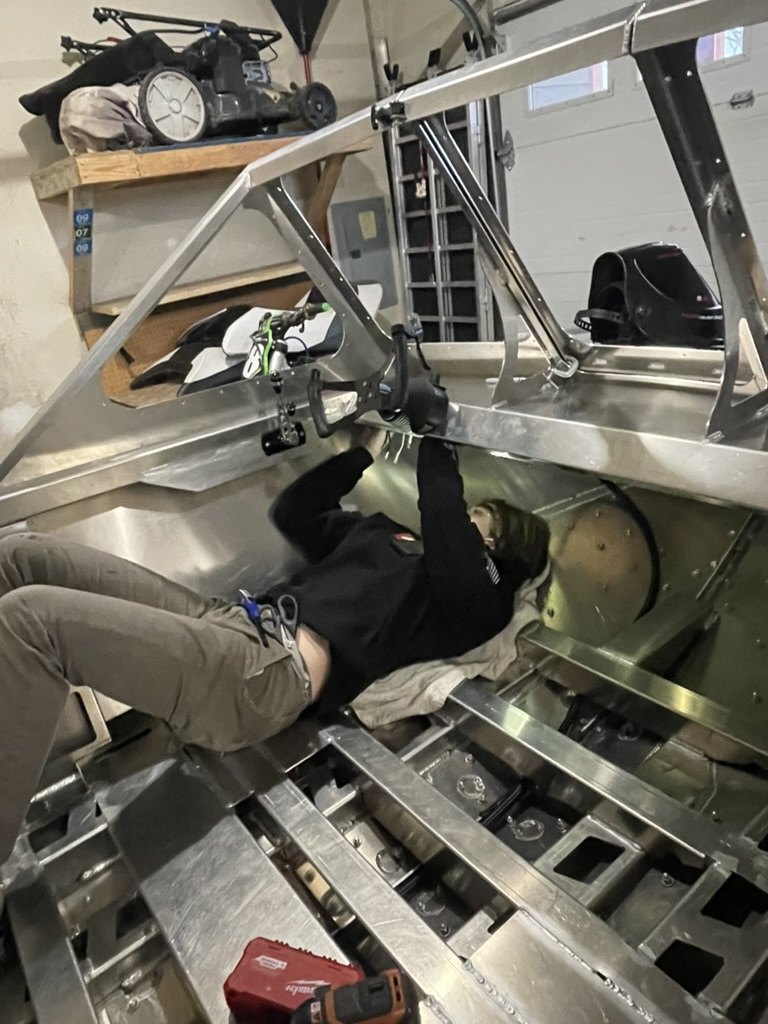
CAD, a welder, a chain hoist and a set of hand tools. Everything on the S12 was made or fitted in the same space it was designed in.
Four thingsI hold to.
01Philosophy
Finish what you start.
If I begin a project I finish it to the best of my ability, and if I cannot work something out I go and find someone who can. Persistence and resourcefulness are most of the job.
02Design
Function first — but it should look like something.
There is a fine line between showing the workings of a structure and covering them up with styling. I would rather the structure be good enough to leave visible.
03Engineering
Every part has a reason.
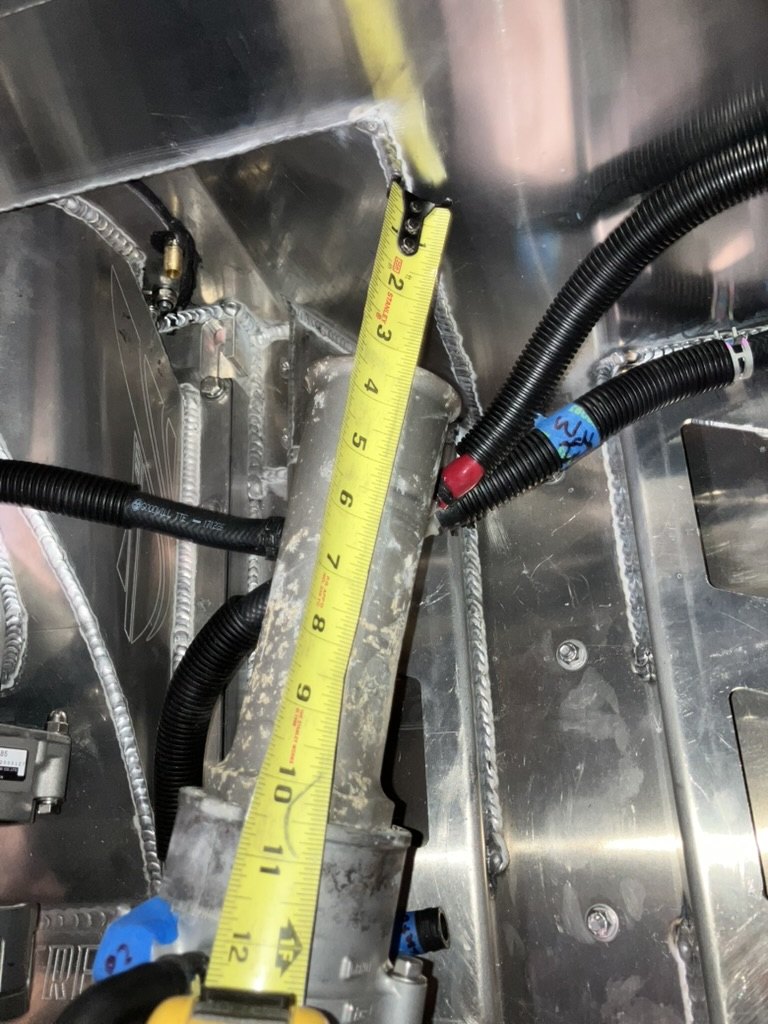
Cold-air intake for efficiency. A large-volume muffler and sound deadening because aluminum rattles. A liner in the hull because rivers have rocks in them. Nothing is on the boat out of habit.
04Testing
The river is the exam.
Everything gets built, then run hard the next morning. Riding something you have modified yourself is the real test of whether you understood the problem.
Curiosity, thenhardware, thenwater.
I am not trying to be the biggest builder. I am trying to make the next hull better than the last one, and to build for people who care about the same thing.
Draw it
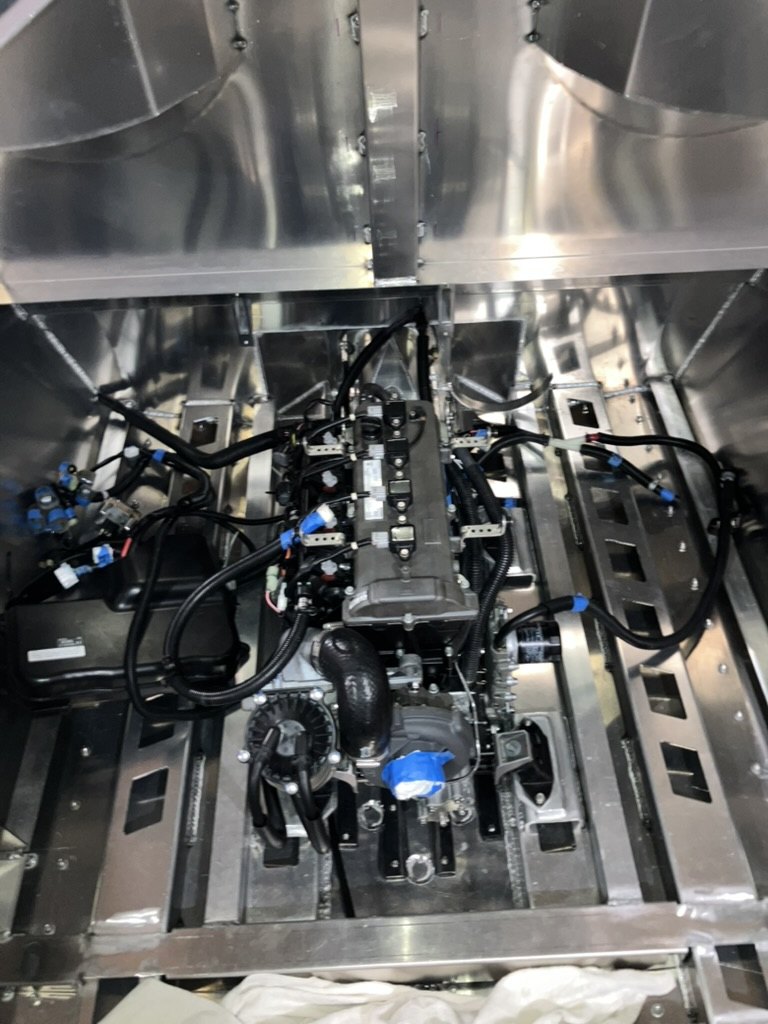
Build it
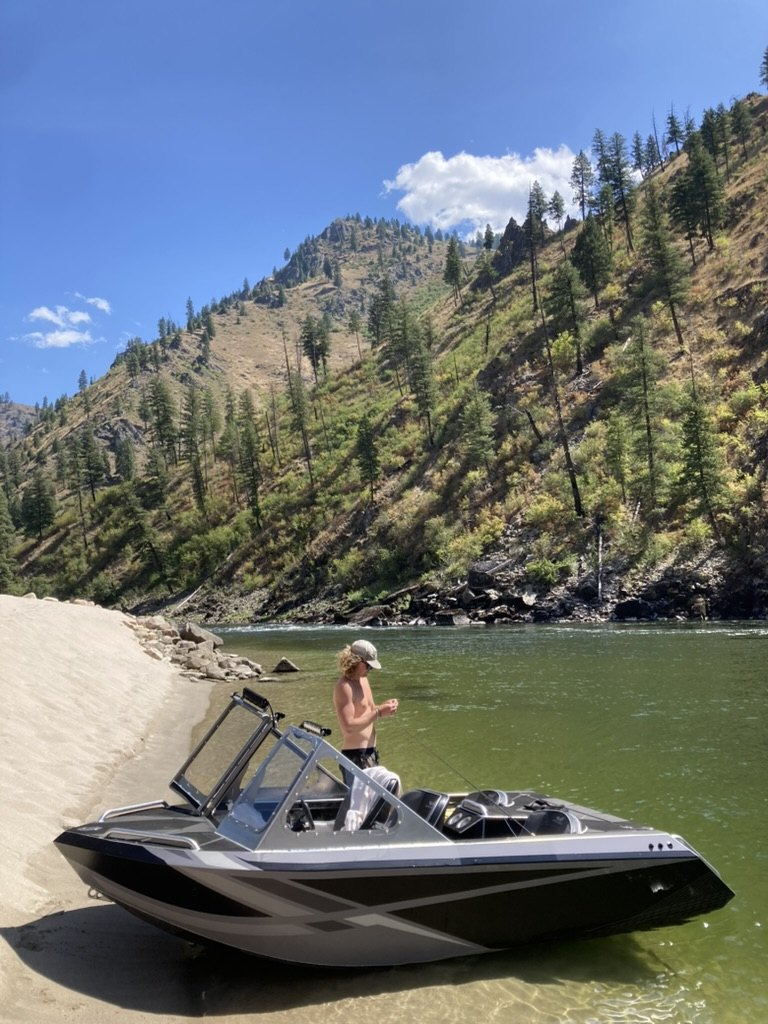
Run it hard
About
Come talkabout a build.
If you run water that most boats will not, I would like to hear about it.