Engineering
Engineeredfrom the hull up.
Every surface, structure and component of a Strake boat is designed around performance, durability and simplicity.
Design is aconsequence.
A Strake looks the way it does because of how it is built. We do not add a styling pass at the end.
Proven geometry
A hull form that is known to work in this water. The effort goes into building it well and into everything mounted on it.
Load paths
Structure is placed where force travels. Everything else is removed.
One material
Aluminum throughout, so the whole boat ages at the same rate.
Serviceability
A component you cannot reach is a component that will fail eventually.
Measured, not claimed
Numbers get published after they are tested, not before.
Iteration
Every hull informs the next one. Improvements are not saved for a model year.
Geometry,not guesswork.
The hull is worked out station by station before anything is cut, so every frame, stringer and mount lands where it was meant to.
Three thingsdecide everything.
01Hull
Hull
The running surface sets the character of the boat: how early it planes, how it holds a turn, how much of the river it can use. Everything above it is arranged to serve that surface.
Aluminum construction
Marine-grade plate, fully welded, with thickness stepped to match load.
Structural rigidity
A stringer grid and transverse frames turn the shell into a stiff box.
Hydrodynamics
A reverse chine sheds spray and bites in a turn. No lifting strakes — the pad does that work.
Strength-to-weight
Aluminum builds stiff and light at the same time — the whole reason the boat is quick.
Delta pad
A 13.5 × 93 in pad on 12° of deadrise: plane early, hold it at low speed, stay up in thin water.
Bottom liner
The hull bottom carries half an inch of UHMW, so a rock or log is taken on a sacrificial surface instead of the plate.
02Jet propulsion
Jet propulsion
A jet drive moves the working parts of the propulsion system inside the hull. What is left underneath is a clean plane of aluminum.
Protected propulsion
No gearcase, no exposed blade, no skeg to catch a rock.
Shallow-water operation
Operating depth is set by hull draft alone.
Immediate response
Thrust is available the moment the engine is, and steering works with it.
Compact packaging
A short driveline keeps weight low, central and out of the cockpit.
03Structure
Structure
The boat is built in layers, in a fixed order. Each one is inspected while it is still visible.
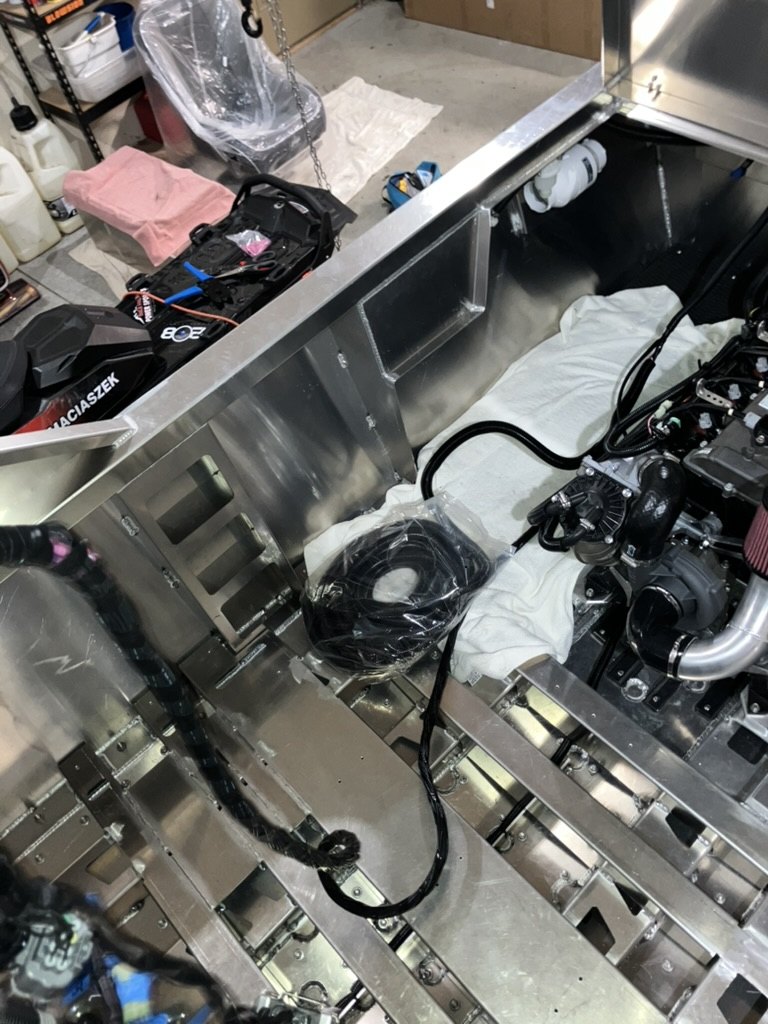
Hull structure
Bottom, sides, chines and transom welded into a single shell.
Stringers
Longitudinal boxes carrying load from transom to stem.
Deck
Welded sole with sealed, inspectable compartments underneath.
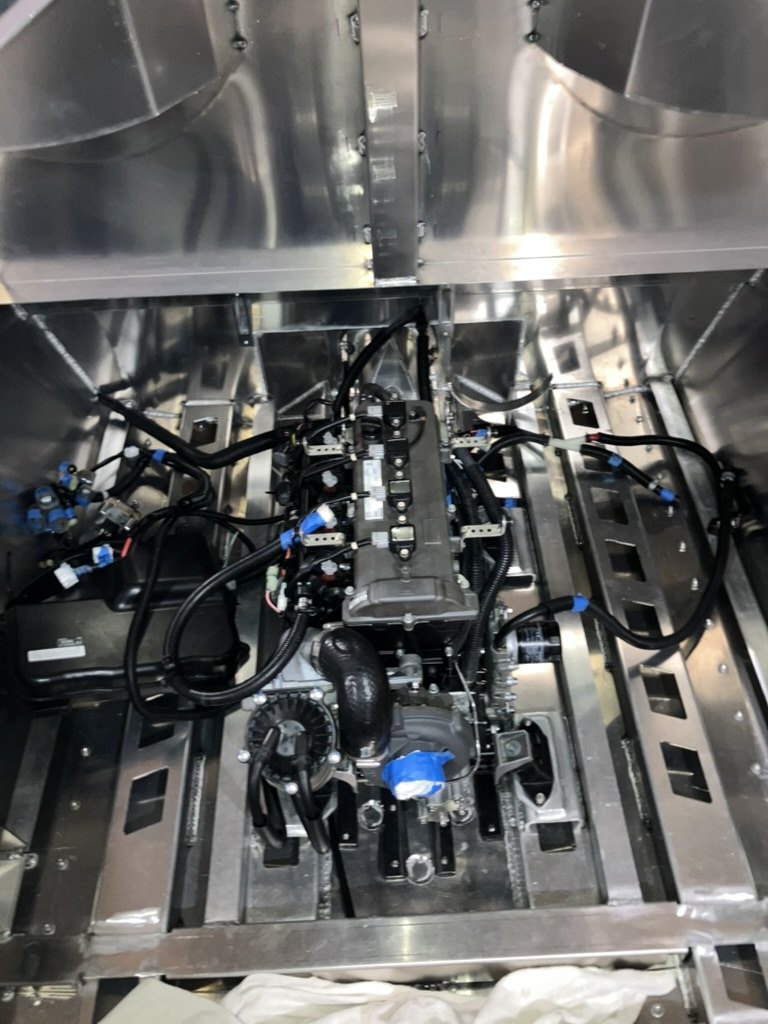
Engine bay
Mass placed low and on centre, accessible from above.
Fuel system
Isolated and vented, routed where it can be inspected.
Jet unit
Aligned to the hull tunnel and shimmed to the driveline.
Validation
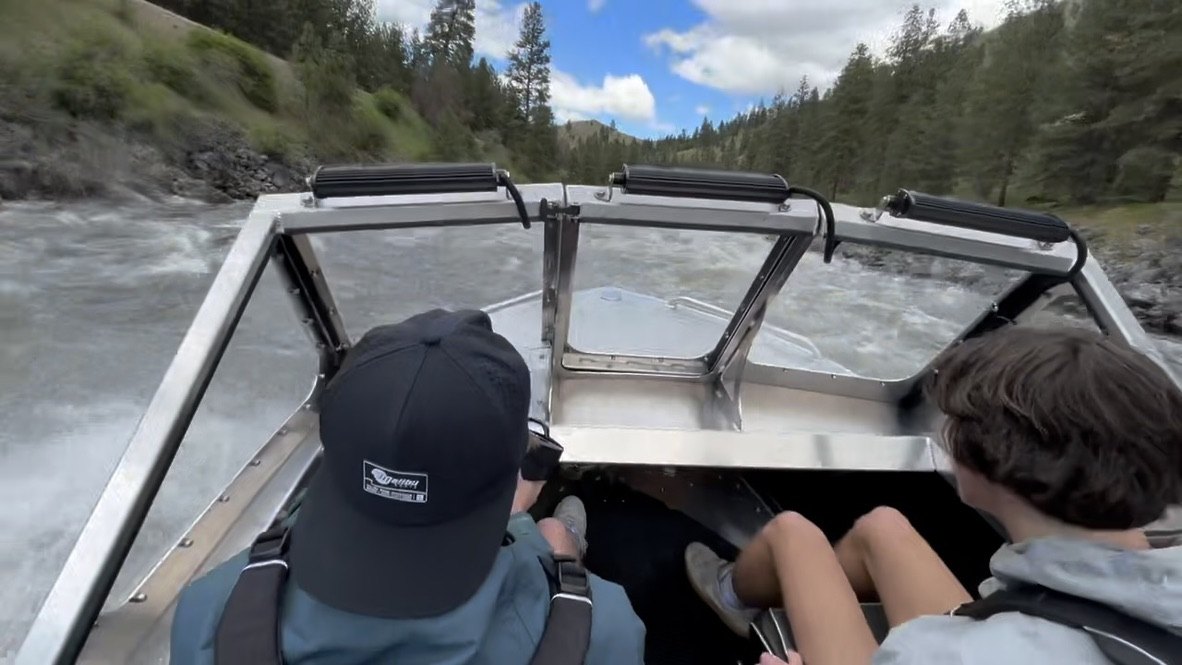
Tested whereit will be used.
Hulls are run in the conditions they are designed for — shallow, moving, rocky water — and changed when the water says so.
- Water time
- Prototypes are run hard before anything is signed off.
- Instrumented
- Speed, trim and fuel logged against hull configuration.
- Teardown
- Test hulls are cut apart to check welds and load paths.
- Revision
- Changes go into the next hull, not the next model year.
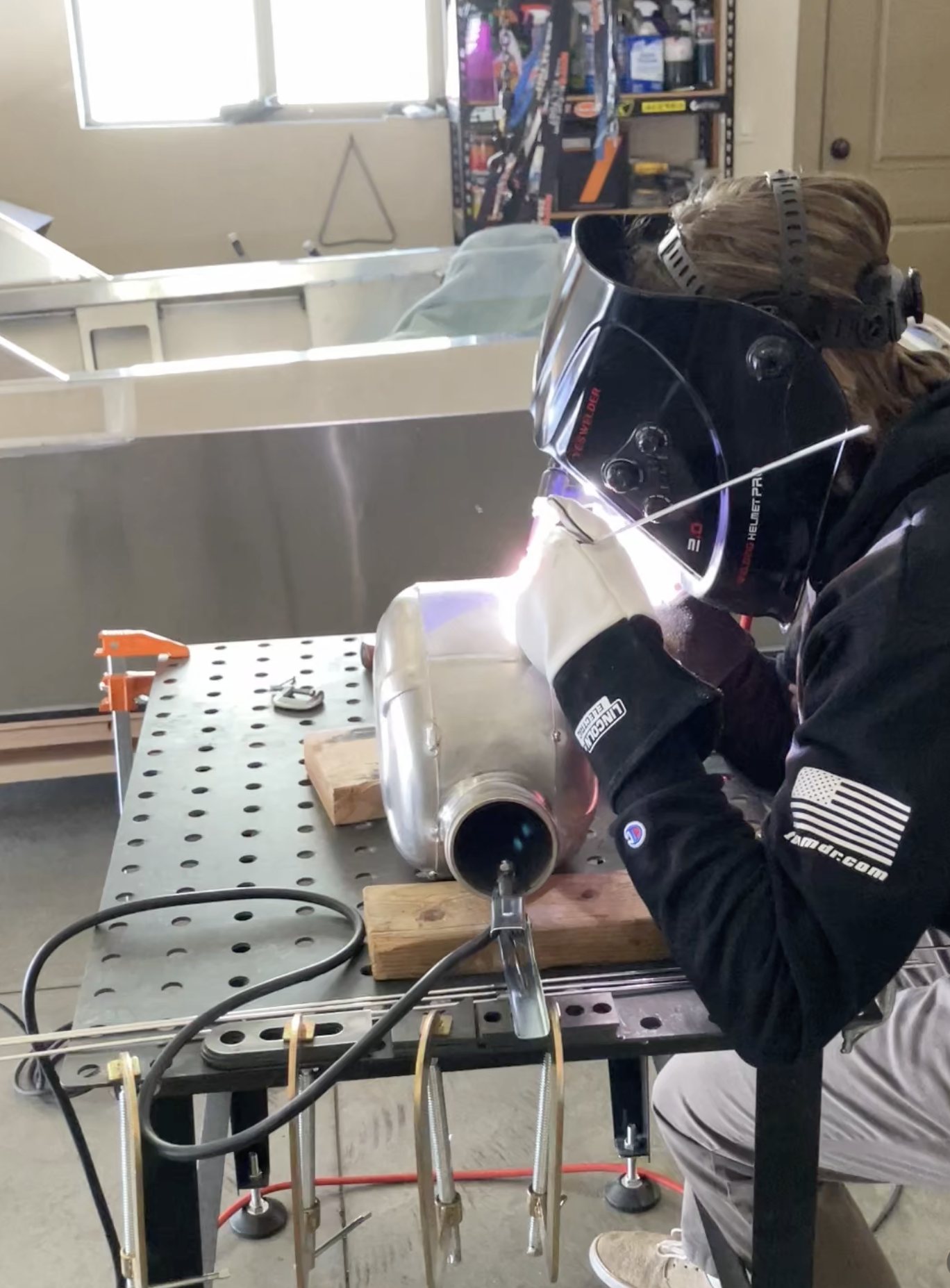
Drawn, cut,welded, checked.
Design and fabrication happen in the same building, which is why a change takes days rather than a season.
01Structure
02Welding
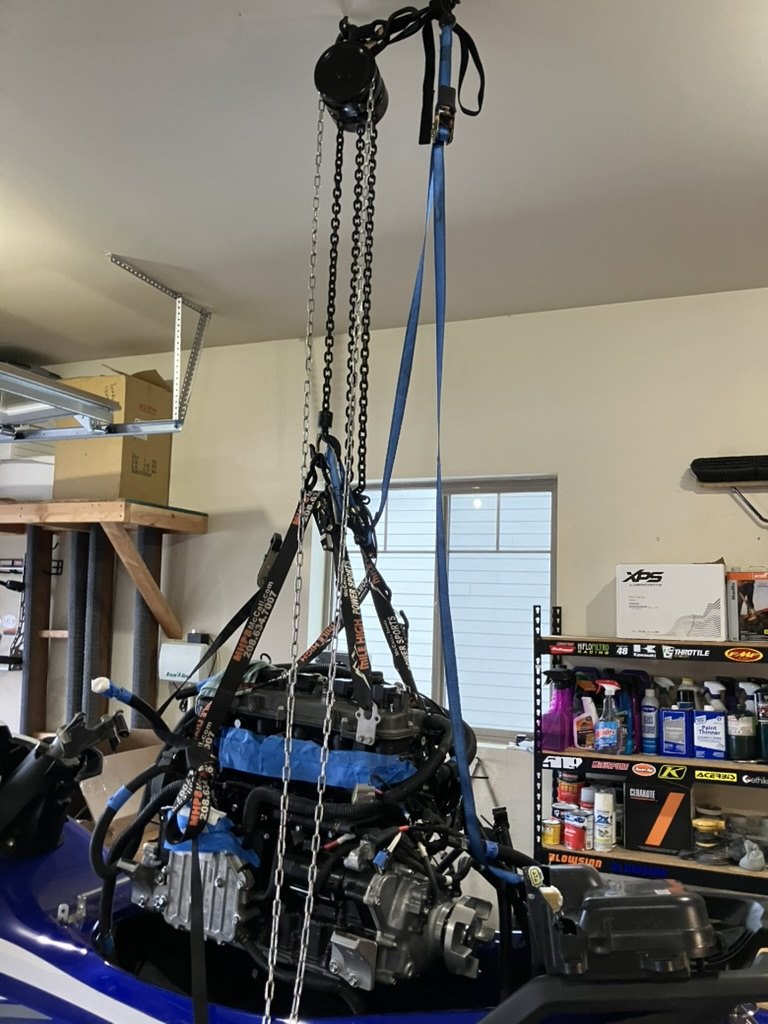
03Powertrain
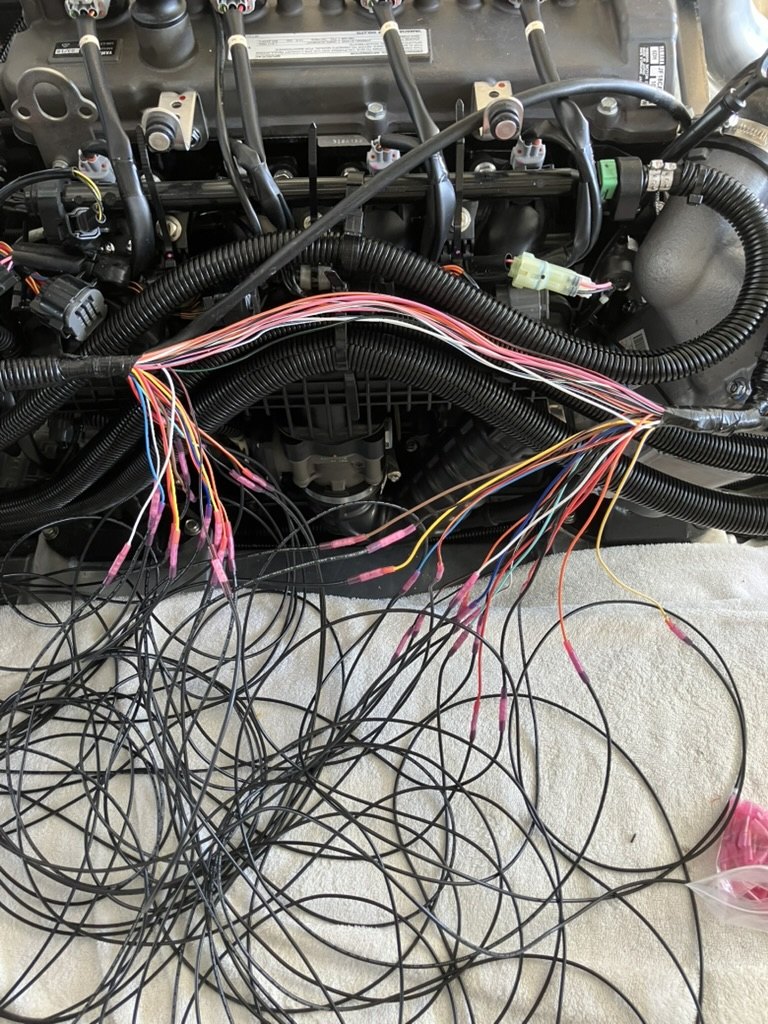
04Wiring
Engineering
Ask usanything technical.
If you want to talk hull geometry, plate thickness or intake design before you talk about a build, we are happy to.